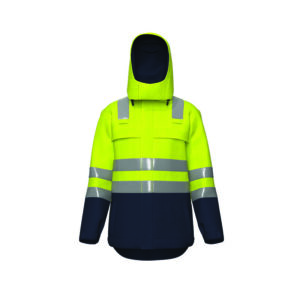
EN ISO 14116

    Why Does ISO 14116 Matter?

    Flame spread can lead to severe injuries, especially when garments ignite and continue to burn. ISO 14116 ensures protective clothing is tested to:

    • Prevent fabric from igniting, melting, or dripping
    • Minimize the risk of clothing contributing to burn injuries
    • Protect workers in low-risk fire hazard environments

    HSE managers rely on ISO 14116-compliant clothing to:

    • Safeguard workers from accidental flame exposure
    • Reduce the risk of severe burn injuries
    • Comply with safety regulations in industries like petrochemicals, oil & gas, and utilities

    What Does ISO 14116 Cover?

    ISO 14116 evaluates garments based on their flame spread resistance and behavior in fire scenarios. Key performance criteria include:

    RequirementExample
    Limited Flame SpreadProtection against brief flame contact
    No Melting or DrippingEnsuring garments do not ignite or stick to the skin
    Heat ResistanceWithstanding short-term exposure to high temperatures

    Garments are categorized into three index levels:

    Index LevelProtection Level Example
    Index 1Limited flame spread; may not protect against direct skin exposureUnderlayers or garments worn over additional protection
    Index 2Limited flame spread, no flaming debris or hole formationGeneral protective clothing for brief flame hazards
    Index 3Highest protection; no flame spread, debris, or holesOuter layers for direct Flame exposure

    Understanding Performance Levels

    • Index 1: Basic protection; must not be worn next to the skin without an Index 2 or 3 layer
      beneath.
    • Index 2: Enhanced protection with no molten debris or holes.
    • Index 3: Maximum protection, suitable for high-risk environments.

    What Makes a Garment Compliant?

    • Flame Spread Resistance: Ensuring fabric extinguishes quickly after exposure to flame.
    • Heat Resistance: Verifying garments can withstand short-term high temperatures.
    • Durability: Maintaining protection after repeated washing and wear.

    How to Choose ISO 14116-Compliant Clothing

    • Assess Workplace Hazards: Identify the specific flame risks workers face.
    • Check Index Ratings: Choose garments with the appropriate index for your environment.
    • Ensure Layering Compatibility: Combine ISO 14116 garments with additional protective layers for comprehensive protection.
    • Prioritize Comfort: Select garments designed for long wear in challenging conditions.

    How is ISO 14116 Different from EN ISO 11612?

    While both ISO 14116 and EN ISO 11612 are standards for flame-resistant protective clothing, they cater to different levels of flame and heat hazards. Here’s a comparison:

    Feature ISO 14116 ENISO 11612
    Primary PurposeProtection against limited flame spreadProtection against a broad range of heat and flame hazards
    Hazard EnvironmentLow-risk flame hazards (e.g.,occasional flames, brief exposures)High-risk heat and flame hazards (e.g., radiant heat, molten metal splashes)
    Behavior After Flame ContactPrevents ignition, melting, or dripping; limits flame spreadProvides extensive protection against flames, molten metal, and radiant heat
    Performance LevelsThree index levels (Index 1–3) based on flame spread resistanceMultiple hazard codes (e.g., A1, A2, B1–B3) for specific heat and flame resistance
    Layering RequirementIndex 1 garments require an additional layer of protectionTypically designed as standalone protective garments
    Target IndustriesLow-flame environments like petrochemical facilities, maintenance tasksHigh-heat environments like foundries, steelworks, and oil refineries
    Testing ScopeFocused on flame spread resistance and fabric behavior in low flame exposureCovers a broader range of hazards including convective, radiant, and contact heat
    Examples of ApplicationsLight industrial work, undergarments for additional protectionHigh-risk jobs involving open flames, molten metal, or extreme heat

    Which Standard Should You Choose?

    • ISO14116: Ideal for industries where flame exposure is limited and brief.
    • ENISO11612: Recommended for environments with high heat hazards, such as radiant heat, molten metal, or prolonged flame exposure.

    Understanding the difference between these standards ensures you select the right level of protection for your workplace hazards. If you’re unsure, consult with our experts to determine the most suitable solution.

    Why Choose Harbor365 for ISO 14116 Clothing?

    At Harbor365, we offer garments designed to meet ISO 14116 standards with:

    • Advanced Fabric Technology: Preventing ignition, melting, and dripping.
    • Comfortable, Durable Designs: Maintaining protection and usability over time.
    • Multi-Norm Compliance: Covering additional hazards such as arc flash or chemical resistance.

    Equip your workforce with the confidence to handle low-flame environments—because safety is non-negotiable.

    Need Help Choosing ISO 14116 Clothing?

    Contact our team today to find the right ISO 14116-compliant clothing for your workplace.

    Need More Info? Reach Out!