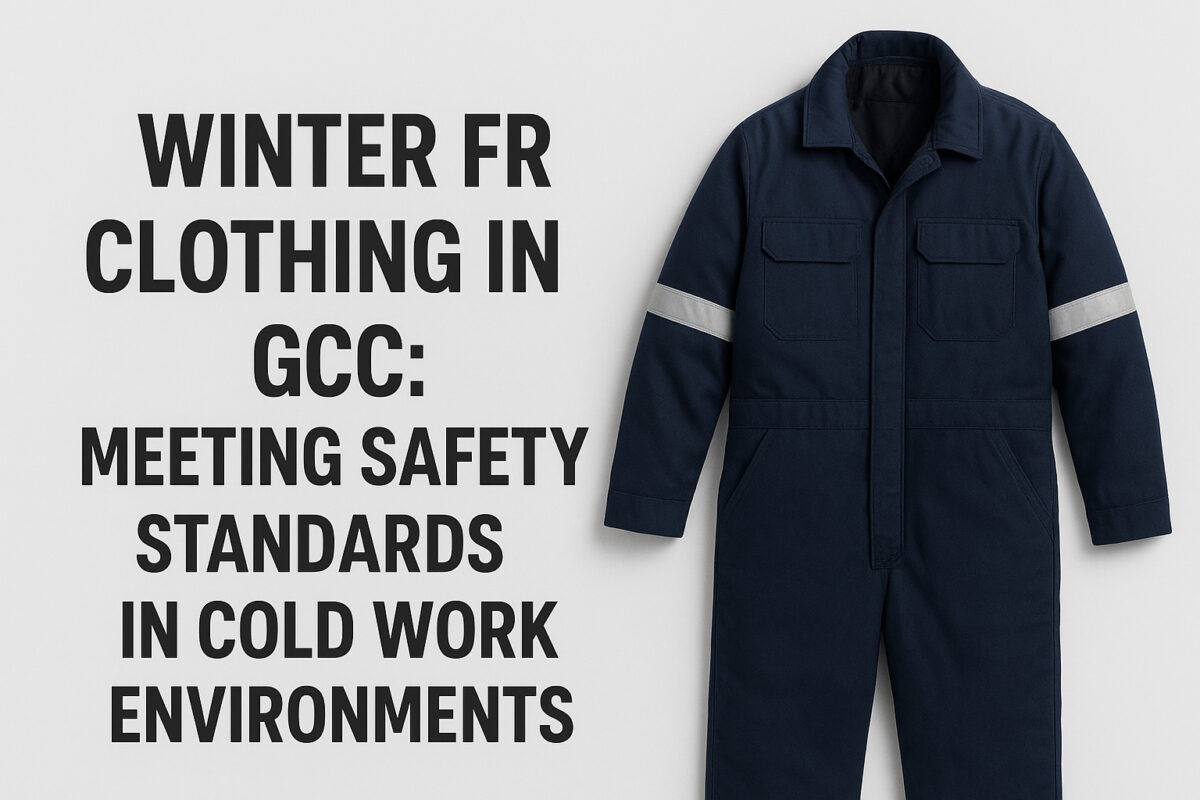
40 Cal Arc Flash Coverall Price & Specifications

In high-risk electrical environments, protecting workers from arc flash incidents is a non-negotiable safety priority. The 40 Cal Arc Flash Coverall is among the highest-rated Personal Protective Equipment (PPE) designed to offer Category 4 protection, safeguarding wearers from the extreme thermal energy released during arc faults.

What Is a 40 Cal Arc Flash Coverall?

A 40 Cal/cm² (calories per square centimeter) arc flash coverall refers to the garment’s ATPV (Arc Thermal Performance Value). This measurement tells you how much incident energy the clothing can withstand before there’s a 50% chance of causing a second-degree burn. The 40 Cal level sits at the top tier of arc flash protection, generally required for environments with extreme exposure to electrical energy, such as electrical switchyards, substations, power plants, and heavy industrial plants.

Technical Specifications

FeatureSpecification
ATPV Rating40 Cal/cm²
NFPA 70E ComplianceYes
FabricInherently FR (Nomex, Modacrylic blends, etc.)
ColorNavy, Orange, Khaki (custom options available)
Design OptionsOne-piece coverall or two-piece (jacket & bib)
Additional ProtectionOptional hood, face shield, rubber gloves

Why Is 40 Cal PPE Important?

Working near high-voltage equipment exposes workers to dangerous arc flash events. A 40 Cal garment ensures maximum protection in such conditions. As per NFPA 70E, any task with an incident energy above 25 Cal requires Category 4 PPE. Not wearing this can result in fatal burns or long-term injuries.

How Much Does It Cost?

The price of a 40 Cal Arc Flash Coverall can vary depending on material, design (one-piece vs two-piece), and accessories.

  • Standard 40 Cal Coverall (One-Piece): Starting from $250–$400 per set
  • Two-Piece 40 Cal Jacket + Bib Set: $300–$500
  • Full PPE Kit (Coverall + Hood + Gloves): $600–$900

Harbor365 Advantage

Harbor365’s 40 Cal Arc Flash Coveralls are manufactured using high-performance, certified FR fabrics with reinforced stitching and ergonomic cuts. Our USP includes:

  • Full compliance with NFPA 70E, IEC 61482-2, and ASTM F1506
  • Bulk order capability for global markets including UAE, Saudi Arabia, Qatar, and the US
  • Customization for color, branding, and sizes
  • Fast lead times and shipping options
  • Backed by a highly rated customer support and technical team

Final Thoughts

For industries working in proximity to high-voltage equipment, investing in 40 Cal Arc Flash Coveralls is not just smart—it’s mandatory. With Harbor365, you don’t just get protection, you get reliability, customization, and international standards in every stitch.

How to Choose the Right FR Clothing Supplier?

Selecting the right FR (Flame-Resistant) clothing supplier is a critical step in ensuring safety, compliance, and comfort for workers operating in high-risk industries such as oil & gas, petrochemicals, utilities, and construction.

Whether you’re sourcing for a small team or a nationwide workforce, here’s what to consider when choosing your FR clothing partner — along with why Harbor365 is trusted by companies across the Middle East, Europe, and beyond.

 1. Certified to Global Safety Standards

Any reliable supplier must comply with internationally recognized safety standards:

  • NFPA 2112 / NFPA 70E– USA
  • IEC 61482-2 / EN ISO 11612 / EN ISO 1149– EU & Middle East
  • ASTM F1959, ASTM F1506– Arc Flash Protection

🔹 Harbor365 ensures all its FR garments are tested and certified according to relevant regional norms — with full documentation available for verification.

 2. Premium, Long-Lasting Fabric Technology

Quality FR clothing starts with quality fabric.

  • Inherent FR fabrics(like Modacrylic, Aramid blends)
  • Durable stitching and smart design for high-performance work
  • Options with moisture-wicking, breathable features for desert conditions

🔹 Harbor365 uses specially engineered European fabrics to ensure comfort even in extreme climates like the UAE and Saudi Arabia — with long-life performance even after 100+ washes.

 3. Custom Design, Brand Matching & Seasonal Gear

The best suppliers offer flexibility in:

  • Company logo placement
  • Color customization
  • Design adjustments for winter wear or high-visibility conditions

🔹 Harbor365 delivers custom designs at low MOQs, giving companies the freedom to maintain branding while prioritizing safety.

 4. Scalable Manufacturing & On-Time Delivery

If you’re sourcing for a large workforce or across multiple sites, you need:

  • Fast production timelines
  • Quality control at scale
  • International logistics support

🔹 Harbor365 offers seamless delivery across the Middle East, Europe, and Africa, backed by a strong manufacturing and QC network.

 5. Trusted by Global HSE & Procurement Leaders

What sets Harbor365 apart?

  • Preferred supplier for HSE and Procurement teamsacross UAE, KSA, and Benelux
  • Consistently delivers premium design + compliancewithout compromising usability
  • Client-first servicewith real-time response and proactive consulting

 6. Proven Usability in Harsh Work Environments

Harbor365’s FR products are actively used in:

  • Desert-based rig sitesin Abu Dhabi
  • Refinery zones in Dammam and Ras Tanura
  • Large-scale EPC projects across Saudi Arabia and Oman

In one such project, a large oilfield services company in Riyadh saw a 36% drop in garment replacements after switching to Harbor365’s 260gsm Multi-Norm FR coveralls — boosting both worker comfort and safety KPIs.

 7. Sustainability & Ethical Sourcing

Modern procurement teams value transparency and ethical sourcing.

🔹 Harbor365 complies with:

  • Oeko-Tex® certified fabrics
  • Ethical manufacturing audits (Sedex, WRAP, ISO 14001)

🚀 Why Harbor365?

Choosing an FR supplier isn’t about ticking boxes. It’s about finding a safety partner who understands your industry, climate, regulations, and urgency. Harbor365 offers:

✅ Fully certified, tested garments
✅ Custom designs & low MOQ branding
✅ Quick turnaround times
✅ Real usability in oilfields, deserts, & factories
✅ Personalized service with on-ground support in GCC & EU

🔚 Final Thoughts

Your workers’ lives depend on what they wear in hazardous environments. Don’t compromise. Ask tough questions. Demand full certification. And always prioritize comfort + compliance.

✅ Ready to explore Harbor365’s FR range?
Book a sample or consultation at www.harbor365.com


Functional and Comfortable Workwear for Various Industries in the MENA Region

Introduction:

Workwear is not just about functionality; it’s also about comfort. But what workwear styles are both functional and comfortable for various industries in the MENA region?

Q: What are the key considerations for functional workwear?
A: Functional workwear should prioritize safety, durability, and practicality.

Q: Which workwear brand offers functional and comfortable workwear for various industries?
A: Harbor365 is a top choice for functional and comfortable workwear in the MENA region. Their products are designed to meet the specific needs of various industries, including:

Construction: Harbor365’s construction workwear features reinforced knee pads, reflective strips, and durable materials.
Oil and Gas: Harbor365’s oil and gas workwear is designed to withstand extreme temperatures and hazardous conditions.
Manufacturing: Harbor365’s manufacturing workwear features breathable fabrics, adjustable cuffs, and secure pockets.

Other notable brands in functional and comfortable workwear include:

U-Power: Known for their high-quality safety footwear and creative designs.
Portwest: Global pioneers in workwear excellence with a strong presence in over 130 countries.
Mascot: Precision-engineered workwear for various industries, with over 50 industry-specific certifications.

Q: What features should I look for in functional and comfortable workwear?
A: When selecting functional and comfortable workwear, look for features such as:

– Moisture-wicking fabrics: Fabrics that draw sweat away from the skin.
– Adjustable cuffs and hem: Adjustable cuffs and hem for a secure fit.
– Breathable materials: Materials that allow for airflow and moisture-wicking properties.

Conclusion:
Functional and comfortable workwear is essential for various industries in the MENA region. Harbor365 offers a range of workwear products that prioritize safety, durability, and comfort, making them a top choice for employers and workers alike.

Sustainable Workwear in the MENA Region: Eco-Friendly Options for a Greener Future

Introduction:
As the world becomes more environmentally conscious, sustainable workwear is becoming increasingly important. But what sustainable workwear options are available in the MENA market?

Q: Why is sustainable workwear important?
A: Sustainable workwear reduces waste, conserves resources, and promotes eco-friendly practices.

Q: Which workwear brand is leading the way in sustainability in the MENA region?
A: Harbor365 is a pioneer in sustainable FR workwear in the MENA region. Their commitment to eco-friendliness is evident in their products, which are designed to reduce waste, conserve resources, and promote sustainable practices. Harbor365’s sustainable workwear options include:

– Recycled materials: Harbor365 uses recycled materials in their products, reducing waste and conserving resources.
– Eco-friendly dyes: Harbor365’s products feature eco-friendly dyes that are free from toxic chemicals and environmentally friendly.
– Durable construction: Harbor365’s products are designed to last, reducing the need for frequent replacements and waste.

Other notable brands in sustainable workwear include:

– Patagonia: Known for their environmentally-friendly clothing and gear.
– Reima: Offers sustainable workwear options with a focus on recycled materials.
– Snickers Workwear: Features eco-friendly workwear options with a focus on durability.


Q: What features should I look for in sustainable workwear?
A: When selecting sustainable workwear, look for features such as:

– Recycled materials: Materials made from recycled plastic or other sustainable sources.
– Eco-friendly dyes: Dyes that are free from toxic chemicals and environmentally friendly.
– Durable construction: Workwear designed to last, reducing waste and the need for frequent replacements.

Conclusion:
Sustainable workwear is no longer a niche market, but a growing trend. Harbor365 is leading the way in sustainability in the MENA region, offering eco-friendly workwear options that reduce waste, conserve resources, and promote sustainable practices.


Arc-Proof Clothing, Arc PPE, and Arc Protection Clothing — Why It Matters More Than Ever

Introduction

Electrical hazards are among the most dangerous risks workers face, especially in high-voltage environments. One such risk, arc flash, occurs when an electrical discharge travels through the air, creating temperatures hotter than the surface of the sun. For protection against such extreme threats, specialized gear such as arc-proof clothing, arc PPE, and arc protection clothing is essential.

In this blog, we’ll cover the fundamentals of arc protection garments, explore global and regional standards, share real-world case studies, and examine how advanced materials and regulatory updates are reshaping workplace safety. We’ll also highlight how Harbor365 ensures compliance, comfort, and confidence through its specialized protective gear.

What is Arc-Proof Clothing?

Arc-proof clothing is engineered to protect workers from the intense thermal energy, flying debris, and UV radiation caused by arc flash incidents. The term encompasses:

  • Single and 2 Pc arc-rated coveralls
  • Arc-rated jackets, pants, and balaclavas
  • Face shields, gloves, and hoods tested for arc resistance

Unlike regular flame-resistant garments, arc protection clothing is tested against the specific hazards of electrical arcs.

Understanding Arc PPE and Its Components

Arc PPE (Personal Protective Equipment) includes:

  • Arc-rated coveralls or suits(ATPV or EBT values, measured in cal/cm²)
  • Helmet and arc-rated face shield
  • Insulated rubber gloves with leather protectors
  • FR base layers(cotton, wool, or advanced blends)

The Arc Thermal Performance Value (ATPV) indicates the maximum incident energy that the clothing can withstand without causing second-degree burns. The most common levels are:

  • Category 1: 4 cal/cm²
  • Category 2: 8 cal/cm²
  • Category 3: 25 cal/cm²
  • Category 4: 40 cal/cm² and above

Why Arc Protection Clothing Is Non-Negotiable

A tragic incident in 2022 at a wind turbine plant in Texas highlighted the need for better arc PPE. A technician suffered third-degree burns due to insufficient arc protection. According to the U.S. Bureau of Labor Statistics, over 2,000 arc flash incidents occur annually in the United States alone.

More recently, a May 2024 report by EHS Today highlighted a push from OSHA for employers to conduct arc flash risk assessments and upgrade PPE where needed. (Source)

These accidents are preventable when organizations invest in certified arc protection clothing that meets standards like:

  • NFPA 70E– Electrical safety in the workplace
  • IEC 61482-1-1 and 1-2– Arc flash performance standards (Open Arc and Box Test)
  • EN ISO 11612– Flame-resistant standards
  • ASTM F1506– Fabric performance for arc flash protection

Arc Flash Protection in the Middle East: UAE & Saudi Arabia

With massive infrastructure and energy sector investments, arc flash PPE is increasingly becoming mandatory in countries like the UAE and Saudi Arabia.

UAE

  • The Dubai Electricity and Water Authority (DEWA)mandates arc-rated PPE for all field maintenance staff. DEWA recently expanded requirements in 2023 to include Category 3 PPE for solar and electrical engineers working at grid stations.
  • According to a 2023 Frost & Sullivan report, the UAE’s PPE market is growing at a CAGR of 6.4%, with arc-rated clothing seeing sharp demand growth due to electrical and renewable projects.

Saudi Arabia

  • Aramcoand SABIC have incorporated NFPA 70E and IEC 61482 standards in their corporate safety policies.
  • The Saudi Electricity Company (SEC) has updated its procurement requirements to include Category 4 arc flash coveralls for high-risk operations.
  • A 2022 report by Mordor Intelligenceprojects the Middle East PPE market to exceed USD 3.2 billion by 2026, with a significant share allocated to thermal and electrical protective garments.

Key Industries That Require Arc Protection Clothing

Arc PPE is a critical requirement in sectors such as:

  • Electrical Utilities: Transmission & distribution, substation work
  • Data Centers: Live server rack maintenance, power redundancy checks
  • Renewable Energy: Solar farms, wind turbines, EV charging infrastructure
  • Oil & Gas: Drilling platforms, refineries
  • Industrial Manufacturing: Control panels, welding zones
  • Transport Infrastructure: Electrified rail networks, airport maintenance zones

Case Study: Arc Flash Prevention in a Utility Substation in Saudi Arabia

In 2023, a leading energy utility in Riyadh, Saudi Arabia, conducted a thorough safety audit following several near-miss incidents involving arc flash. The audit revealed a lack of standardized PPE across multiple substations.

In collaboration with a regional PPE supplier, the company rolled out Category 4 arc-rated 2 Pc coveralls and full-body arc protection ensembles for more than 300 field engineers and maintenance staff. Over the subsequent 12-month period, the organization reported zero arc-related injuries and a 40% reduction in incident response time — highlighting both the safety and operational efficiency gained from proactive arc PPE implementation. This highlighted not only the technical importance but also the ROI of proactive PPE investment.

Technological Innovations in Arc-Proof Clothing

Today’s arc protection clothing is lighter, stronger, and more breathable than ever before. Innovations include:

  • Inherent FR fibersthat never wash out (e.g., Nomex®, Kermel®)
  • Multi-layer systemswith moisture-wicking liners
  • Anti-fog face shieldswith panoramic views
  • Smart fabricsthat adjust insulation based on ambient temperature

Brands like Harbor365 are now embedding multi-norm protection into one garment — combining flame resistance, antistatic control, chemical splash resistance, and arc flash defense into a single uniform.

Harbor365: Setting the Benchmark in Arc PPE

All Harbor365’s arc-rated garments comply with:

  • NFPA 70Eand ASTM F1506 for North American standards
  • IEC 61482-1-1 / -1-2and EN ISO 11612 for European compliance
  • EN 1149-5for electrostatic protection

Each garment is field-tested in conditions that mimic real arc flash environments. Harbor365’s 2 Pc coveralls and overalls are known for their ergonomic fit, durability, and breathable designs.

Whether you’re outfitting a power utility crew, a clean energy site, or a metro maintenance team, Harbor365 offers scalable, high-comfort arc PPE solutions designed to meet global safety mandates.

Conclusion

Arc flash incidents are among the most devastating workplace hazards — but they are also preventable. Arc-proof clothing, arc PPE, and arc protection clothing are the frontline defense for thousands of electrical workers worldwide.

With rising electrical infrastructure demands — from EV charging stations to renewable energy plants — and mandatory safety regulations expanding across countries like UAE and Saudi Arabia, organizations must prioritize robust arc-rated protective gear.

Harbor365 leads the way with state-of-the-art, standard-compliant garments that blend safety, functionality, and comfort.

Explore Harbor365’s full arc PPE lineup today and give your workforce the protection they deserve.


The Essential Role of Uniform Overalls, Safety Clothing, and Site Workwear in Modern Industry

Introduction

In today’s rapidly evolving industrial landscape, personal protective equipment (PPE) is more than a regulatory requirement—it is a critical component of workplace safety and productivity. Among the core elements of PPE are uniform overalls, safety clothing, and site workwear. These are not just garments; they are purpose-built tools that ensure protection from a wide range of occupational hazards.

This blog explores the function and importance of these essential clothing types, recent industry updates, applicable safety standards, and how trusted brands like Harbor365 are redefining protective workwear for a safer tomorrow.

What is Uniform Overall and Site Workwear?

Uniform overalls—also known as coveralls or boiler suits—are one-piece garments designed to cover the full body. They are typically used in environments where protection from dust, dirt, chemicals, flames, or mechanical injury is needed.

Site workwear, on the other hand, refers to a broader category of durable clothing used by workers at construction, maintenance, mining, energy, and heavy manufacturing sites. This includes:

  • Single and 2 Pc coveralls
  • Work jackets and trousers
  • High-visibility vests
  • FR (Flame-Resistant) rainwear
  • Arc flash protective clothing

Why Safety Clothing is Non-Negotiable

Safety clothing goes beyond aesthetics. It plays a pivotal role in:

  • Preventing injuries from fire, chemicals, and arc flash incidents
  • Ensuring visibility with high-vis reflective elements
  • Protecting from environmental hazards, such as rain, cold, and wind
  • Complying with workplace regulations, avoiding fines and liabilities

Recent studies by the International Labour Organization (ILO) show that over 2.3 million deaths occur annually due to work-related accidents or diseases, many of which could be prevented with proper PPE. (Source: ILO Occupational Safety Report, 2023)

Latest Industry Updates: New Mandates & Materials

As of April 2024, several countries, including those in the EU, are tightening regulations around flame-retardant and anti-static clothing. Employers must now demonstrate adherence to international standards such as:

  • EN ISO 11612– Protection against heat and flame
  • EN 1149-5– Electrostatic properties
  • EN ISO 20471– High-visibility clothing
  • IEC 61482-2– Arc flash protective clothing
  • EN 13034– Chemical splash protection
  • EN ISO 13688– General requirements for protective garments

In parallel, technological advancements in FR fabrics have led to lighter, more breathable, and longer-lasting garments—features now found in leading product lines such as Harbor365’s Hi-Vis FR and Multi-Norm clothing.

Where Are Uniform Overalls and Site Workwear Commonly Used?

These garments are standard in high-risk industries where physical hazards are part of daily operations:

  • Construction Sites: Fall risks, sharp tools, weather exposure
  • Energy and Utility Sector: Arc flash, flame, electrical hazards
  • Oil & Gas: Fire, chemicals, and static discharge
  • Manufacturing: Mechanical risks, metal sparks, and dust
  • Mining: Low visibility, confined spaces, dust inhalation
  • Waste Management: Biological and chemical contaminants
  • Logistics & Warehousing: Traffic movement, mechanical injuries

Key Features to Look for in Modern Workwear

Today’s workwear must balance protection, comfort, and durability. When evaluating uniform overalls, safety clothing, or site gear, ensure:

  • Inherent FR Fabric: Protection that doesn’t wash out
  • Ergonomic Design: Freedom of movement
  • Breathable & Lightweight Material: Reduces heat stress
  • Hi-Vis Strips & Color Blocking: Enhances visibility in low light
  • Certified to International Norms: For legal and operational assurance
  • Layered Protection: Especially for multi-norm risks like flame + chemical + ESD

Harbor365: Pioneering Safety with Every Stitch

Harbor365 stands out by blending advanced technology with regulatory compliance. Their wide range of uniform overalls, flame-resistant clothing, multi-norm coveralls, and construction workwear are certified to the most stringent standards. Every product is field-tested for:

  • Arc flash resistance (IEC 61482)
  • Flame resistance (EN ISO 11612)
  • Chemical protection (EN 13034)
  • Antistatic performance (EN 1149)
  • Visibility (EN ISO 20471)

Harbor365’s commitment to safety means your workforce is equipped with gear that’s not only compliant but built to perform under real-world conditions.

Conclusion

Uniform overalls, safety clothing, and site workwear are foundational to industrial safety. With evolving norms, increasing hazards, and new material innovations, businesses must stay ahead in choosing the right protective gear. Beyond compliance, it’s about building a safety culture that values human life and long-term productivity.

As industries demand more from protective apparel, Harbor365 rises to the challenge—offering performance-driven, standard-compliant workwear solutions you can trust.

Explore Harbor365’s full range of certified safety clothing and workwear, and make protection part of your daily uniform

Everything You Need to Know About the 40 CAL Arc Flash Coverall

Introduction

Arc flash is one of the most severe and potentially life-threatening hazards electrical workers face. These high-energy explosions occur when an electric current deviates from its intended path, creating an arc that produces extreme heat, light, and pressure. The consequences of an arc flash can be catastrophic, including severe burns, blindness, hearing damage, and even death.

To minimize these risks, organizations implement strict safety procedures and provide Personal Protective Equipment (PPE). Among the highest-rated PPE available for electrical safety is the 40 CAL Arc Flash Coverall. This protective clothing is designed to shield workers exposed to electrical systems with potential incident energy levels of up to 40 calories per square centimeter (cal/cm²). In this blog, we’ll examine the components, significance, standards, and use cases of a 40 CAL Arc Flash Coverall, and why its use is vital for any high-energy electrical work.

What is a 40 CAL Arc Flash Coverall?

The term “40 CAL” refers to the garment’s arc thermal performance value (ATPV), indicating that it can withstand a thermal exposure of 40 calories per square centimeter without causing second-degree burns. This is a substantial energy level typically associated with Category 4 hazards under the NFPA 70E standard. Exposure to this level of energy without proper protection could be fatal within milliseconds.

A complete 40 CAL Arc Flash Coverall set typically includes:

  • Arc-rated coat and bib overalls or a one-piece coverall or 2 Pc coverall
  • Arc flash hood with an arc-rated face shield (often anti-fog and anti-scratch treated)
  • Balaclava and safety helmet (arc-rated)
  • Rubber insulating gloves with leather protectors
  • Heavy-duty gear bag for safe and organized storage

Each component is meticulously designed and tested to handle arc flash energy up to 40 cal/cm², offering full-body protection including the head, face, torso, arms, and legs.

Why is Wearing a 40 CAL Arc Flash Coverall Important?

Understanding the importance of wearing a 40 CAL Arc Flash Coverall requires an appreciation for how dangerous arc flash incidents are. Here’s why wearing this gear is not optional — it’s lifesaving:

  • Extreme Temperatures: Arc flashes can reach temperatures over 35,000°F (19,400°C) — hotter than the surface of the sun. Without arc-rated PPE, the human body has no defense against such intense heat.
  • Explosive Pressure: Arc blasts create pressure waves that can throw workers off their feet, damage eardrums, or lead to internal injuries.
  • UV and Infrared Radiation: These can cause severe burns and permanent eye damage within a fraction of a second.
  • Molten Metal Shrapnel: The intense energy can melt metal conductors, spraying molten metal at high velocity.

Wearing a 40 CAL Arc Flash Coverall dramatically reduces the chance of:

  • Second- and third-degree burns
  • Fatal injuries from thermal exposure
  • Long-term disability from eye or ear damage

Where is a 40 CAL Arc Flash Coverall Most Commonly Used?

This level of arc-rated PPE is typically required in high-risk electrical environments where incident energy can exceed 25 cal/cm². Some of the most common industries and locations include:

  • Electrical Utilities: Switchgear rooms, substations, transformer areas
  • Power Generation Plants: Turbine halls, control rooms, distribution units
  • Heavy Industrial Plants: Steel, chemical, automotive, and aerospace industries
  • Data Centers: High-density rack rooms with major power distributions
  • Oil & Gas Refineries: Especially during maintenance or live testing
  • Mining Operations: High-voltage underground and surface installations
  • Railways and Metro Systems: Electrified rail tracks, control centers, and substations
  • Large Commercial Facilities: With complex power distribution setups

When Should a 40 CAL Arc Flash Coverall Be Worn?

The decision to wear a 40 CAL Arc Flash Coverall is not arbitrary — it’s dictated by risk assessments and arc flash studies. Workers should don this gear:

  • During live electrical testing or troubleshooting
  • When operating high-voltage switchgear (above 600V)
  • During breaker racking operations or panel replacements
  • Any task that involves exposed energized components in high-energy zones

Incident energy analysis (as outlined in NFPA 70E and IEEE 1584) determines whether a task requires a 40 CAL rated garment. If the calculated energy level at a specific working distance exceeds 25 cal/cm², then a 40 CAL Arc Flash Coverall is mandatory.

What Safety Standards Must the 40 CAL Arc Flash Coverall Meet?

A 40 CAL Arc Flash Coverall must comply with a range of international and industry-recognized standards to ensure protection:

  • NFPA 70E: Defines PPE categories and minimum arc ratings (Category 4: 40 CAL and above)
  • ASTM F1506: Specifies performance of textiles for arc flash protection
  • ASTM F2178: Standard test method for arc-rated face protection
  • IEC 61482-1-1 / -1-2: European standards for arc protection clothing using Open Arc and Box Test methods
  • EN ISO 11612: Protection against heat and flame
  • EN ISO 13688: General garment design, fit, and labeling requirements
  • EN 1149-5: Protection against electrostatic discharge (ESD)

All components — from gloves to the hood — must be tested and certified according to these standards to be deemed safe for use.

Key Features to Look for in a 40 CAL Arc Flash Coverall

When selecting a 40 CAL Arc Flash Coverall or 2 Pc coverall, ensure it meets your work requirements and comfort needs:

  • Inherent FR Fabric: Fabrics that retain flame-resistant properties permanently, even after repeated washing
  • Ergonomic Fit: Allows mobility without compromising protection
  • Advanced Hood Design: Arc-rated face shields with light tint, anti-fog coatings, and panoramic view
  • Integrated Ventilation: Reduces heat stress during long wear
  • Layering Capability: Designed to work with base layers or insulated garments for cold environments
  • Easy Maintenance: Machine-washable, durable, and resistant to wear and tear

Why Professionals Trust 40 CAL Arc Flash Coveralls

Professionals working in high-voltage or high-energy environments understand that PPE is their last line of defense. The 40 CAL Arc Flash Coverall provides peace of mind knowing they are protected against the worst-case scenario. Companies also benefit from fewer injuries, reduced downtime, and full regulatory compliance, helping avoid costly penalties and liabilities.

Conclusion

The 40 CAL Arc Flash Coverall is not just another piece of PPE — it’s a life-saving ensemble engineered to withstand some of the most dangerous hazards in the workplace. As electrical systems become more complex and power loads increase, so does the need for proper arc flash protection.

Investing in a compliant, comfortable, and certified 40 CAL Arc Flash Coverall or 2 Pc coverall ensures that workers go home safely every day.

Harbor365 provides fully certified 40 CAL Arc Flash garments made with high-performance, breathable fabrics. Our coveralls are rigorously tested to comply with NFPA 70E, IEC 61482, and other global norms — providing the ultimate protection for electrical professionals worldwide.

Explore Harbor365’s electrical PPE range and empower your team to work with confidence in high-risk environments.

ADNOC Design Coveralls & Workwear – Everything You Need to Know

Introduction

For anyone working with ADNOC or its contractors, safety and compliance are non-negotiable. ADNOC’s strict guidelines on personal protective equipment (PPE) have led to the creation of the ADNOC Design Coverall — a benchmark in oil & gas protective clothing. In this article, we’ll dive deep into the features, design rules, required standards, and how Harbor365 ensures 100% compliance.

What is an ADNOC Design Coverall?

An ADNOC Design Coverall is a flame-resistant workwear garment designed as per ADNOC’s specific safety and branding requirements. Available in single-piece or two-piece formats, these coveralls are more than just uniform — they are a symbol of compliance and responsibility. The designs include mandatory color specifications (royal blue or beige), logo placements, reflective striping, and certified fabrics.

Why Are ADNOC Design Coveralls Required?

  • To Adhere to ADNOC’s HSE Policies: Safety compliance is strictly enforced on ADNOC sites.
  • Brand Identity and Uniformity: Ensures every worker is easily identifiable based on their company, role, or department.
  • Functional Safety: The design incorporates visibility, fire resistance, and anti-static elements.
  • Ease of Access Control: Workers not in proper attire can be easily identified and restricted.

Where Are ADNOC Coveralls Used?

  • ADNOC Onshore/Offshore Facilities: Drilling rigs, platforms, and production units.
  • Refineries and Terminals: Locations involving chemicals, flammable substances, and extreme heat.
  • EPC and Subcontractor Sites: Used by engineering and construction contractors.
  • Shutdown & Maintenance Projects: Temporary staff and contractors also require standard attire.

When Do You Need to Wear ADNOC Coveralls?

  • During All Site Activities: From entry into operational zones to the end of your shift.
  • Inspections and Audits: When representing your company in front of ADNOC officials.
  • Emergency Drills and Exercises: Simulations also require full PPE compliance.

How Is the ADNOC Coverall Designed?

  • Color Specifications: Royal blue (for technical staff) and beige (for administrative or supervisors).
  • Reflective Tape Layout: Strategically placed across arms, legs, and shoulders for maximum visibility.
  • Company and ADNOC Logos: Front chest, sleeves, and back placement.
  • Functional Elements: Pen holders, radio loops, and multi-utility pockets.
  • Fabric Type: Inherent FR or treated cotton fabrics ensuring durability and safety.

What Norms Should ADNOC Workwear Comply With?

  • EN ISO 11612: Flame and heat exposure protection
  • EN ISO 11611: Protection for welding and allied processes
  • EN 1149-5: Electrostatic discharge protection
  • IEC 61482-1-2 / -1-1: Arc flash resistance
  • EN 13034: Chemical splash protection (Type 6)
  • EN ISO 20471: Visibility standards (in selected roles)
  • EN ISO 13688: Performance and ergonomic design

How Harbor365 Meets ADNOC Requirements

  • Certified Fabric Sourcing: All materials are tested and certified to required norms.
  • Design Accuracy: We strictly follow ADNOC’s branding layout and color guidelines.
  • Customization: Add logos, names, departments as per site requirements.
  • Compliance Documentation: Full technical file and lab test certificates available.

Conclusion

ADNOC Design Coveralls are a mandatory part of working in one of the world’s most safety-conscious oil and gas environments. Harbor365 ensures that each garment not only looks professional but also performs exceptionally in the harshest working conditions. Whether you need a single coverall or bulk orders, our team is ready to deliver compliant, durable, and comfortable solutions.

Harbor365 is a trusted provider of protective clothing certified to international standards. Our ADNOC Design Coveralls and 2 Pc Coveralls are engineered to exceed your expectations and meet your HSE compliance needs across multiple industries.

Everything You Need to Know About 2 Pc Coveralls

Introduction

When it comes to ensuring workplace safety, the right clothing can make all the difference. One of the most versatile and widely used forms of protective clothing is the 2 Pc Coverall. Comprising a jacket and trouser set, this ensemble is designed for both safety and flexibility. Whether you’re working in the oil and gas industry, construction, utilities, or general manufacturing, the 2 Pc Coverall offers an ideal balance of comfort, utility, and protection. This blog explores what makes these garments essential, who uses them, how to select the right pair, and the safety standards they must meet.

What is a 2 Pc Coverall?

A 2 Pc Coverall is a two-piece protective workwear outfit that includes a matching jacket and pair of trousers. Unlike a traditional single-piece coverall that covers the body in one garment, the 2 Pc version offers the advantage of flexibility and ease of use. These garments are made from flame-resistant (FR) or multi-norm compliant fabrics that protect workers from multiple hazards such as fire, heat, chemicals, and electrical arcs. The two-piece design allows workers to wear the garments in different combinations based on weather conditions or the specific hazards of their job.

Why Choose a 2 Pc Coverall Over a Single Coverall?

There are several reasons why workers and safety managers might prefer a 2 Pc Coverall:

  • Breathability: The gap between the top and bottom pieces provides better airflow, which is especially important in hot climates or indoor environments without climate control.
  • Ease of Dressing: It’s simpler to remove or put on just one part of the outfit when using a 2 Pc Coverall. This can be useful in cases of contamination or damage to one piece.
  • Layering Flexibility: Workers can easily add or remove layers underneath the 2 Pc Coverall without fully undressing, allowing better thermal regulation.
  • Cost-Efficiency: If one part of the outfit gets damaged, only that section needs replacing.

Where Are 2 Pc Coveralls Used?

2 Pc Coveralls are widely used in many industrial sectors due to their adaptability and protective features. Common workplaces include:

  • Oil & Gas Industry: Offshore and onshore rig workers, maintenance teams, and drilling crews.
  • Utilities: Electrical, gas, and water service workers.
  • Construction Sites: Engineers, welders, and laborers working with hazardous tools or materials.
  • Automotive Maintenance: Technicians and mechanics exposed to oils and flammable fluids.
  • General Manufacturing: Workers in production lines, fabrication, and assembly plants.
  • Power & Chemical Plants: Staff working with high-temperature processes, chemical spills, and potential explosions.

When Should You Use a 2 Pc Coverall?

2 Pc Coveralls are suitable for numerous job roles and situations. You should consider wearing one:

  • In Hot or Humid Climates: Their breathability and separate design reduce heat stress.
  • During Short-Term Tasks or Inspections: Easier to wear for brief or low-exposure tasks.
  • In Environments with Layered PPE Requirements: Compatible with vests, harnesses, or other outer protective layers.
  • In Jobs with Limited Exposure: Perfect for workers who don’t need full-body protection all the time.

How to Choose the Right 2 Pc Coverall?

When selecting a 2 Pc Coverall, several factors should be considered to ensure safety and compliance:

  • Fabric Type: Look for materials like FR cotton, Modacrylic blends, or Inherent FR fibers that retain flame-resistant properties over time.
  • Safety Norms: Ensure the garments comply with relevant international standards (discussed below).
  • Visibility Enhancements: For low-light or high-traffic areas, choose garments with reflective tapes as per EN ISO 20471.
  • Customization Options: Availability of company logos, color coding for departments, and name tags.
  • Functional Features: Multiple pockets, reinforced knees, adjustable cuffs, venting zippers, and ergonomic design.

What Safety Standards Should 2 Pc Coveralls Comply With?

To ensure protection in hazardous environments, 2 Pc Coveralls should meet the following international norms:

  • EN ISO 11612: Protection against heat and flame exposure.
  • EN ISO 11611: Designed for welders and similar occupations exposed to molten metal.
  • EN 1149-5: Anti-static properties to reduce the risk of ignition.
  • IEC 61482-1-2 / -1-1: Protection against electric arc flash.
  • EN 13034: Resistance to limited chemical splash (Type 6).
  • EN 343: Resistance to water penetration and breathability in wet conditions.
  • EN ISO 13688: General requirements for ergonomics, sizing, and durability.

Which Professionals Use 2 Pc Coveralls?

  • Field Engineers and Surveyors
  • Safety and HSE Officers
  • Technicians and Maintenance Crews
  • Electricians and Utility Operators
  • Logistics and Warehouse Staff
  • Manufacturing Supervisors

Why Choose Harbor365?

Harbor365’s 2 Pc Coveralls are designed with both safety and performance in mind. We use globally certified fabrics that meet all required norms and offer unmatched comfort and durability. Our garments are tailored to the needs of specific industries, ensuring maximum utility and brand identity. With customizable features, fast turnaround times, and multi-norm compliance, Harbor365 remains a top choice for protective workwear.

Need More Info? Reach Out!